
Security Training
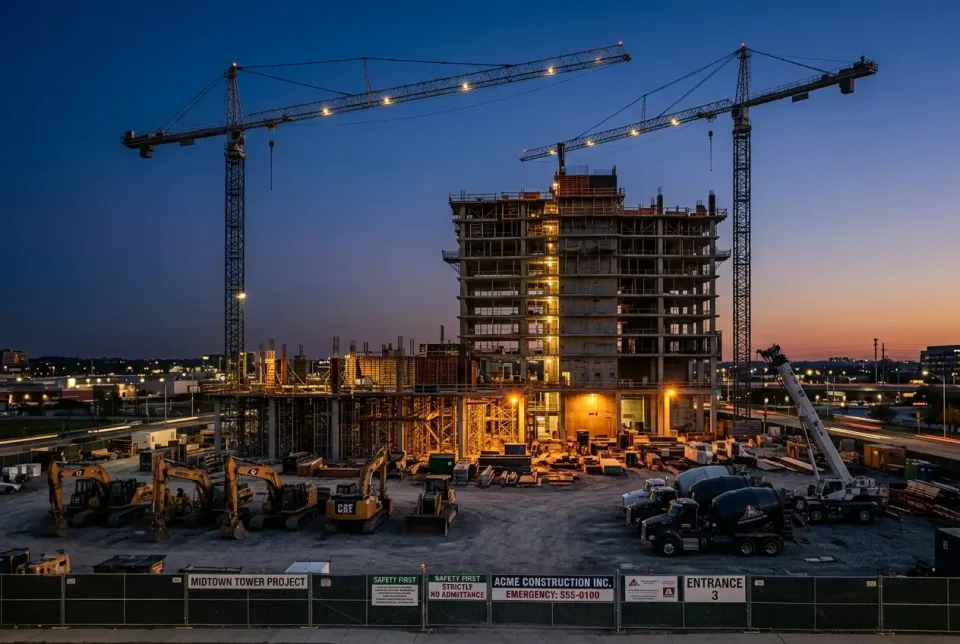
Your security team needs your site's skills — because securing a factory differs from a hotel and from a mall.
We design the training program after studying your site — because a factory needs different skills than a hotel or a residential compound.
Training designed for the field — not just for the classroom.
Security training at many companies follows a single model: a general program that every new recruit goes through before heading to the field. The content is usually theoretical — lectures on general procedures that do not change from one site to another. There is no prior assessment of the risk profile at the site where the trainee will work, and no practical simulation of the situations they will actually face. The result is that the security officer arrives at the site with general knowledge but without skills designed for their work environment.
The gap between theoretical training and field reality shows at the first real situation. An officer trained in a classroom on evacuation procedures who does not know the exits of the building they work in. An officer who memorizes the visitor handling protocol but has never trained on the access control system used at their facility. The bigger problem is that the absence of post-training assessment means nobody knows whether the trainee actually absorbed the content — until a situation occurs and reveals that the training did not translate into field behavior.
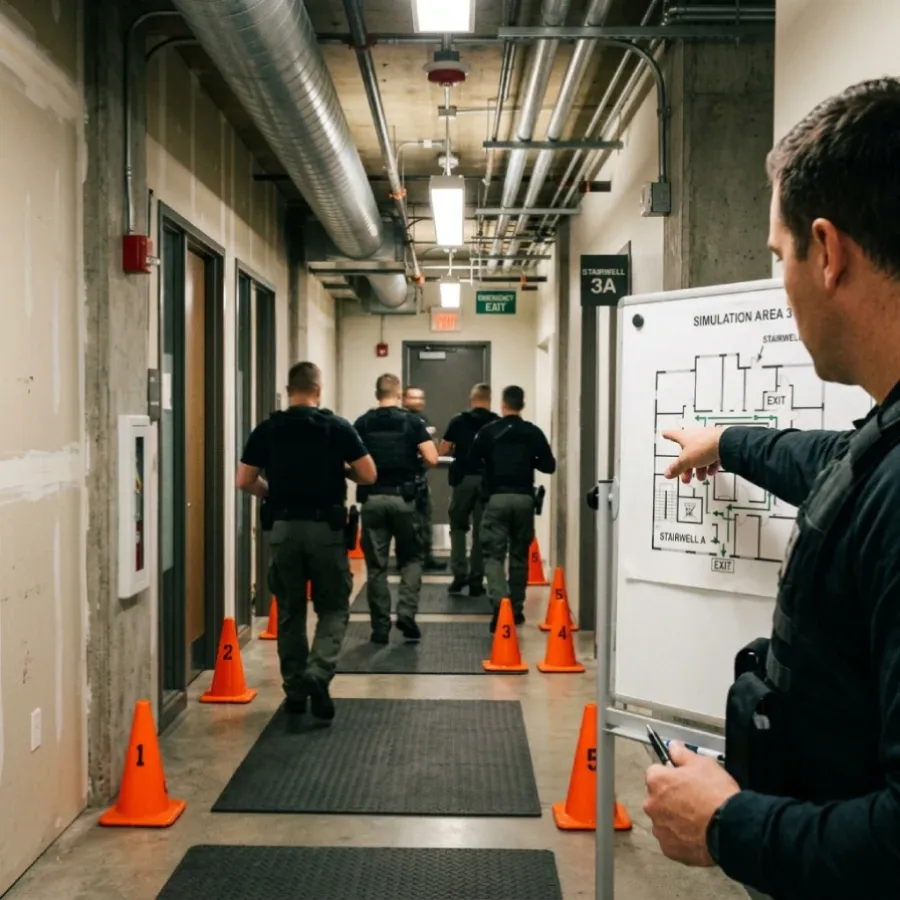
How our system works
At Soqoor Al-Mustaqbal, every training program begins with a needs assessment based on a site study. We study the facility's nature, the types of potential risks, and the skills the security team needs at that specific site. Based on this assessment, we design a program that combines theoretical framework with practical simulation — scenarios built on real situations the trainee may face in their work environment. After the program, we assess trainees practically to verify that the training has translated into actual capability.
The result is that the security officer arrives at the site knowing the environment they will work in, the situations they may face, and how to respond to each one. Every program is documented in a report including assessment results, content covered, and trainee performance levels. This report serves as a reference for identifying future training needs — because effective training is not a one-time event but an ongoing process that evolves with the facility and its requirements.
Effective training is not measured by hours — it is measured by the trainee's ability to act correctly at the moment of need.
A comprehensive training program
Training needs assessment
Study of the site, risk profile, and identification of skills required for the security team — the program is built on the results of this assessment, not on a pre-made general curriculum.
Site-specific programs
Training content designed for the trainee's work environment — emergency procedures, public interaction protocols, and critical situation management are all linked to the specific site where they will work.
Practical simulation
Training scenarios built on real situations the trainee may face in the field — hands-on application transforms theoretical knowledge into measurable field behavior.
Trainee assessment
Practical tests after every program to verify the trainee absorbed the content and can apply it — assessment results are documented and used to identify future development needs.
Reporting and continuous development
Comprehensive documentation of every program including content, assessment results, and recommendations — a reference for future cycles ensuring training evolves with the facility and its needs.
Complete Your Security System
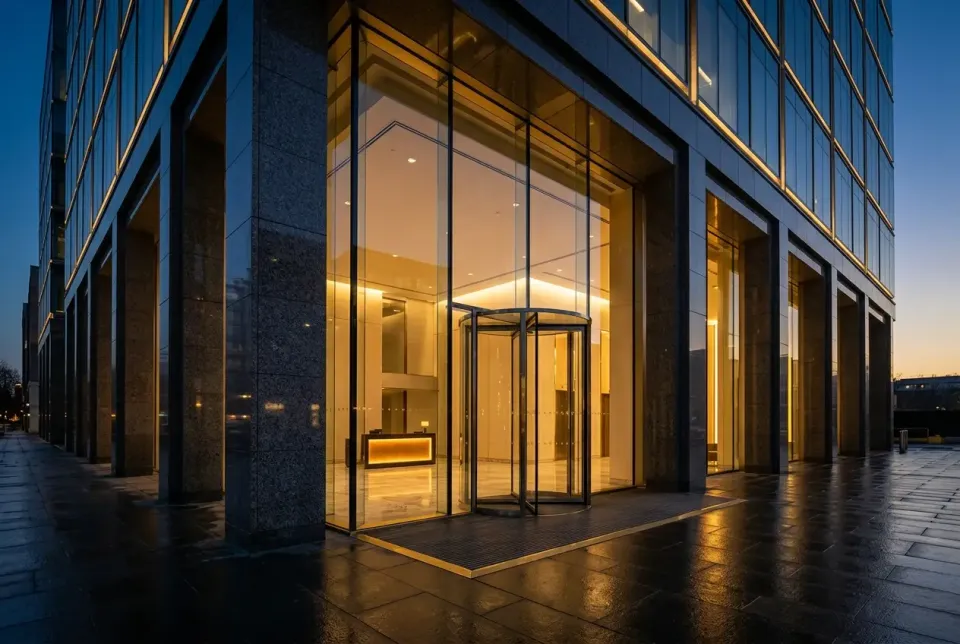

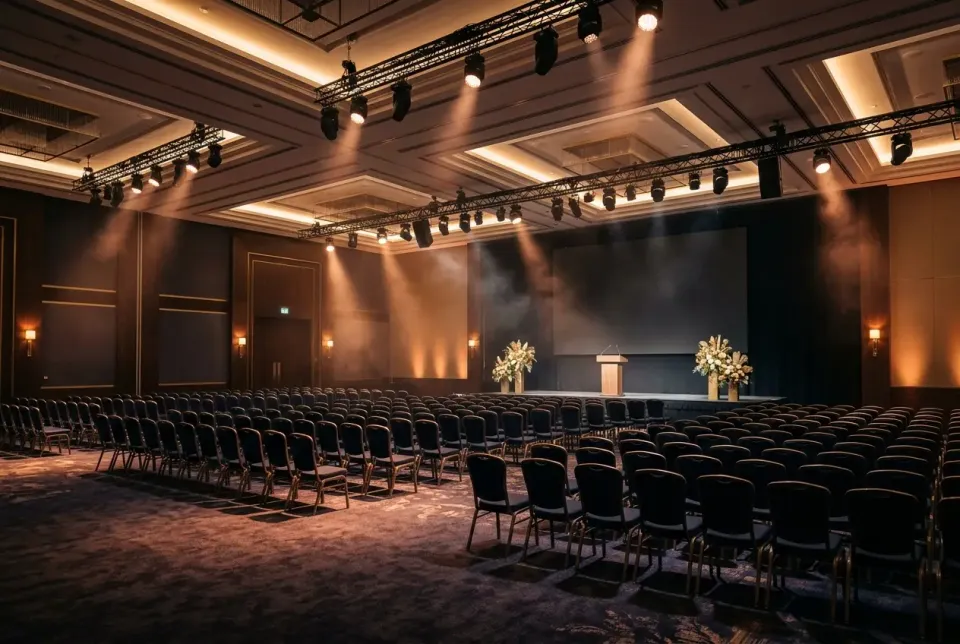
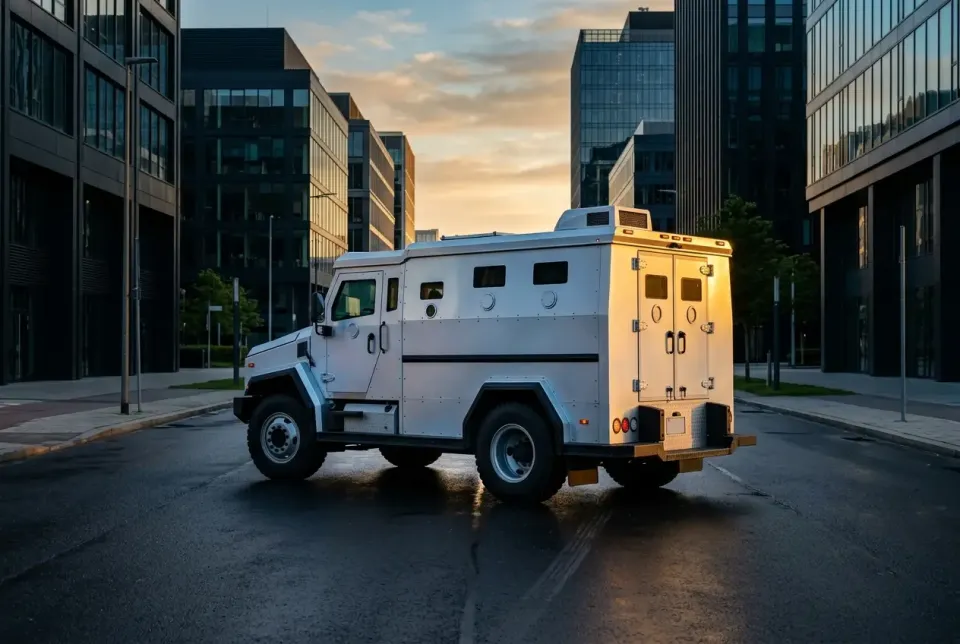


A training program designed for the nature of your site
Contact us to assess your team's training needs and design a program that builds real capabilities in the field.